LCD Screens for IPhone remain an important part of the mobile device repair and refurbishment industry. As smartphones continue to be used for communication, business, entertainment, and daily activities, maintaining functional displays has become an essential part of extending device service life. Screen replacement, component testing, and material recovery all contribute to a more efficient approach to mobile device maintenance.
For repair facilities, refurbishment operations, and electronic recycling companies, understanding display quality, condition grading, testing procedures, and recovery methods helps improve inventory management and reduce unnecessary waste. A structured approach to handling used displays also supports more consistent refurbishment results and more responsible resource utilization.
With experience in mobile phone component trading and recycling, Topyet provides services covering used LCD displays, refurbished screens, mobile phone components, and IT asset recovery. Understanding how these processes work can help businesses make more informed decisions about device maintenance and electronic component management.
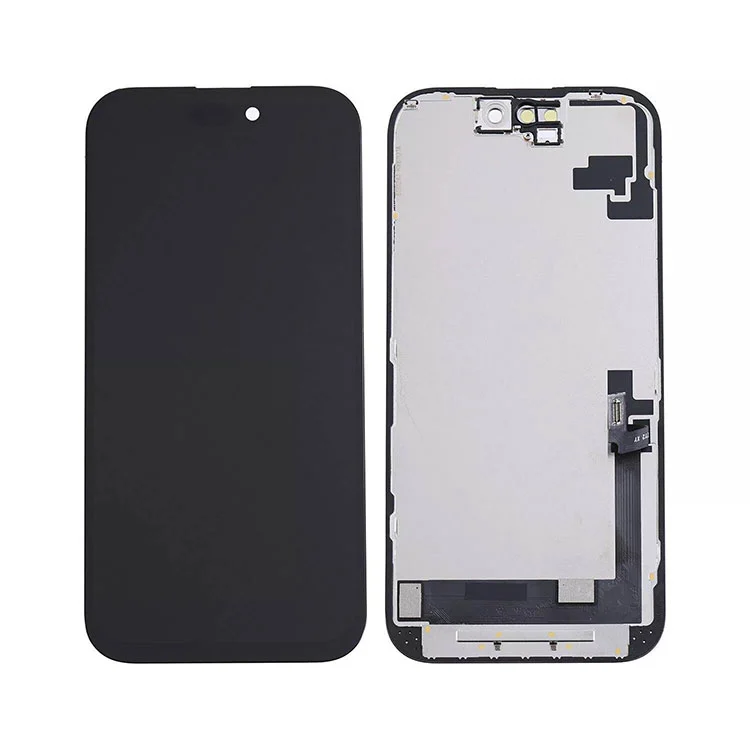
Understanding Display Components in Modern Smartphones
A smartphone display is more than a viewing surface. It is an integrated component that combines image presentation, touch interaction, protective materials, and electrical connections. Its condition affects the usability of the entire device, making display inspection an important step in repair and refurbishment workflows.
Display Technology and Construction
Smartphone displays use different technologies depending on the device model and manufacturer. LCD and OLED displays have distinct operating principles, construction methods, and performance characteristics. Identifying the correct display type is essential before replacement or component recovery begins.
-
Display panel: Produces the visual image and determines important characteristics such as resolution, brightness, and color reproduction.
-
Backlight assembly: In LCD designs, the backlight provides illumination through the display layers.
-
Touch sensing layer: Detects user interaction and converts finger movements into electronic signals.
-
Flexible circuit: Connects the display assembly to the device's electronic system.
-
Protective glass: Helps protect the display surface against everyday contact and minor impacts.
These elements may be integrated into a single assembly or arranged in a configuration that varies by model. Damage to one area does not always mean every part of the assembly has failed. Accurate diagnosis helps determine whether replacement, refurbishment, or material recovery is the most appropriate option.
LCD and OLED Display Differences
LCD technology uses a liquid crystal layer and a backlight to produce visible images. OLED technology uses self-emissive pixels that generate light individually. These differences influence display construction, power consumption, contrast characteristics, repair procedures, and component recovery methods.
When handling mixed inventories, technicians should identify the actual display technology rather than relying solely on appearance or a device's general product category. Model compatibility and original assembly specifications should be verified before a component is installed or offered for further use.
What Determines Display Condition After Removal?
Used screens can vary significantly in condition, even when they come from the same smartphone model. Some assemblies remain functional after a device is retired, while others contain damaged glass, display defects, or electrical faults. A reliable evaluation process distinguishes cosmetic damage from functional problems.
Glass and Surface Condition
The outer surface is often the first area examined during inspection. Scratches, cracks, chips, and signs of previous repair can affect the appearance and handling of a display assembly.
-
Inspect the glass for visible fractures, edge damage, and deep scratches.
-
Check for separation between bonded layers or signs of improper adhesive removal.
-
Look for pressure marks and discoloration that may indicate internal damage.
-
Record the surface condition separately from the functional test result.
Surface appearance alone cannot establish whether a display is operational. A screen with damaged glass may still produce an image, while an assembly that appears clean may contain hidden electronic faults. Visual inspection should therefore be combined with functional testing.
Image Performance
Image quality is a major consideration when determining whether a display can be reused. Defects may appear as dark areas, bright spots, horizontal or vertical lines, uneven illumination, abnormal colors, or intermittent image loss.
Testing should examine the display under consistent conditions. Technicians can use appropriate test equipment or a compatible device to check image output, brightness response, and visible defects. Any irregularities should be documented before the assembly is assigned a condition category.
Touch Functionality
Touch performance should be evaluated independently of image quality. A display may show a normal image while failing to register input in certain areas. Conversely, touch interaction may remain functional despite visible cosmetic damage.
-
Check whether touch input responds across the usable screen area.
-
Identify dead zones, delayed responses, or unintended input.
-
Verify multi-touch behavior when supported by the device and test procedure.
-
Record intermittent faults that appear during repeated testing.
Separating touch results from visual results makes condition reporting more accurate and helps reduce disagreements during subsequent repair or refurbishment work.
Building a Consistent Inspection Workflow
A repeatable inspection workflow improves the consistency of display evaluation. It also helps teams process mixed-condition inventories without relying entirely on individual judgment. The workflow should be suitable for the range of devices being handled and should include clear criteria for acceptance, further testing, and rejection.
Initial Identification and Sorting
Before testing begins, each display should be identified by its device model, component type, and available source information. Similar-looking assemblies may have different connectors, dimensions, mounting arrangements, or compatibility requirements.
-
Separate LCD assemblies from OLED assemblies and other display types.
-
Group components by verified model compatibility.
-
Keep unidentified or uncertain assemblies in a separate inspection category.
-
Record visible damage before cleaning or further handling.
Clear identification reduces the risk of mixing incompatible parts. It also creates a more useful inventory record for repair operations, refurbishment facilities, and downstream component processing.
Functional Testing
Functional testing should follow a documented procedure appropriate to each component type. Test conditions should remain as consistent as practical so that results can be compared across different batches and technicians.
A complete assessment may include image output, touch response, backlight performance where applicable, connector condition, and signs of intermittent operation. Any test fixture or donor device should be compatible with the display under examination.
Testing equipment should be maintained properly, and technicians should follow suitable electrical handling procedures. Unreliable test connections can produce misleading results, making it important to distinguish a fixture problem from an actual display defect.
Condition Records and Traceability
Inspection results are more useful when they are connected to an identifiable inventory record. A structured record allows teams to review component history, track the reason for a grade assignment, and determine whether additional testing is required.
Useful record fields include the device model, display technology, cosmetic condition, image performance, touch response, connector status, and final disposition. Where available, photographs can help document physical defects and support communication between inspection, storage, and processing teams.
Traceability also helps businesses review recurring failure patterns. If a particular source frequently supplies assemblies with similar defects, the information can support adjustments to sorting criteria and future intake procedures.
How Condition Grading Supports Better Inventory Decisions
Condition grading provides a common language for describing used electronic components. Without clear definitions, two teams may assign different grades to similar displays. A documented grading system makes inventory records easier to interpret and supports more consistent decisions about reuse, refurbishment, and material recovery.
Functional and Cosmetic Categories
A practical grading framework should distinguish operational performance from physical appearance. A display can be visually imperfect but functional, or cosmetically clean but electrically defective. Combining these characteristics into a single informal judgment can obscure important differences.
|
Condition category
|
Typical characteristics
|
Potential handling route
|
|
High cosmetic quality
|
Clean surface with no significant visible damage and satisfactory functional results
|
Reuse or refurbishment assessment
|
|
Cosmetic wear
|
Visible scratches or minor surface imperfections with acceptable operation
|
Reuse where appearance requirements permit
|
|
Repair assessment required
|
Potentially recoverable defects or uncertain functional results
|
Additional diagnosis and repair evaluation
|
|
Functionally defective
|
Image, touch, connection, or other significant operational failure
|
Component recovery or material recycling assessment
|
|
Severely damaged
|
Extensive breakage or damage that prevents practical reuse
|
Safe handling and appropriate recycling
|
These categories are illustrative and should be adapted to the company's testing capability, product range, and quality requirements. They should not replace model-specific inspection criteria or a documented agreement between business partners.
Why Consistent Grading Matters
Consistent grading improves communication between collection teams, testing technicians, refurbishment facilities, and component processors. It reduces ambiguity when inventory changes hands and makes it easier to separate reusable assemblies from items requiring further evaluation.
Grading also supports storage decisions. Functional displays that meet defined requirements can be stored separately from untested or defective assemblies, reducing the risk of accidental mixing and unnecessary repeated inspections.
Refurbishment and the Recovery of Usable Components
Refurbishment can extend the useful life of electronic components when their condition and construction make recovery technically and economically appropriate. For display assemblies, the process begins with diagnosis rather than an assumption that every used screen can be restored.
Evaluating Refurbishment Potential
The suitability of a display for refurbishment depends on the nature of the defect, the availability of compatible materials, the assembly design, and the required quality standard. Cosmetic damage, glass breakage, and electronic failure may require different repair methods.
Before processing begins, technicians should determine whether the defect can be addressed without compromising display performance or structural reliability. Components with uncertain repair outcomes should remain clearly identified until their final condition has been established.
Cleaning and Handling Procedures
Cleaning removes dust, fingerprints, adhesive residue, and other contaminants that may interfere with inspection or preparation. The method must be compatible with the display's surface coatings, connectors, adhesives, and surrounding materials.
-
Use suitable tools to avoid scratching the display surface.
-
Prevent moisture or cleaning agents from entering sensitive connection areas.
-
Handle flexible circuits carefully to avoid bending or tearing.
-
Separate clean, tested assemblies from components awaiting inspection.
-
Follow appropriate procedures for broken glass and potentially contaminated materials.
Cleaning should not be treated as evidence of functional quality. A clean component still requires the relevant electrical and visual checks before it can be classified as suitable for reuse.
Post-Refurbishment Verification
After refurbishment, the assembly should undergo verification using criteria appropriate to its intended application. The process should confirm that the original defect has been addressed and that the repaired component meets the required functional and cosmetic standards.
Post-process records should distinguish between the original condition and the verified result. This separation helps teams evaluate refurbishment effectiveness, identify recurring problems, and avoid describing repaired components as equivalent to new products without supporting evidence.
Compatibility Considerations for Replacement Displays
Compatibility is essential when selecting replacement components for smartphone repair. Displays that share similar dimensions or appearance may still differ in connector design, mounting points, cable routing, supported functions, or electronic configuration.
Model Identification
Technicians should verify the exact device model and the relevant display assembly specification before installation. Product family names alone may be insufficient because different versions can use different components or internal layouts.
When an original part number is available, it can help with identification. However, part numbers should be checked against reliable technical information rather than treated as universally interchangeable across devices.
Connector and Assembly Design
Connector position and cable layout affect installation. A display with an incompatible flex cable or mounting arrangement may not connect properly even when its visible dimensions appear correct.
Inspection should also consider frame design, adhesive placement, protective components, and the condition of the connection contacts. For assemblies with integrated sensors or other functions, technicians should confirm which features are included and whether the replacement supports the intended device configuration.
Pre-Installation Checks
Where the repair procedure permits, a preliminary compatibility and functional check can identify problems before final assembly. Technicians should follow the device manufacturer's applicable service guidance and use appropriate electrostatic discharge precautions.
After installation, the completed device should be tested for image quality, touch response, and any additional functions affected by the replacement. A successful connection alone does not establish that the repair is complete.
Packaging, Storage, and Transportation
Display assemblies are vulnerable to pressure, impact, electrostatic discharge, and improper handling. Good storage and packaging practices help preserve the condition of reusable components between inspection, processing, and shipment.
Protective Packaging
Packaging should prevent movement, distribute external pressure, and reduce the risk of contact between fragile surfaces. Suitable protective materials depend on the component design, shipment conditions, and whether the display has intact or broken glass.
-
Use individual protective separation to reduce surface contact and scratching.
-
Support fragile edges and avoid placing concentrated pressure on the display area.
-
Secure flexible cables so they are not sharply folded or compressed.
-
Identify damaged assemblies that require special handling.
-
Choose packaging appropriate to the expected transportation environment.
Broken displays require additional precautions because exposed glass can cause injury and may contaminate surrounding inventory. Damaged components should be isolated and packaged in a manner suitable for safe handling and applicable waste requirements.
Storage Conditions
Storage areas should remain clean, dry, and organized. Excessive humidity, dust accumulation, unstable stacking, and direct mechanical pressure can affect component condition or make subsequent inspection more difficult.
Inventory should be separated by model, technology, condition, and processing status where practical. Clear labels help prevent untested assemblies from entering stock intended for verified components.
Inventory Rotation and Tracking
Inventory tracking helps businesses understand which components are available, awaiting inspection, under refurbishment, or designated for recycling. A consistent labeling system also reduces the time spent locating compatible parts.
Where components are held for extended periods, periodic checks can identify packaging damage, deterioration, or record discrepancies. Storage practices should be reviewed according to the characteristics of the components and the conditions of the facility.
Electronic Recycling and Responsible Material Recovery
Smartphone displays contain a combination of glass, metals, polymers, electronic connections, and other materials. When a display cannot be reused or refurbished, an appropriate recycling route may help recover materials and reduce the volume of electronic waste requiring disposal.
Separating Reuse from Recycling
Reuse and recycling serve different purposes. Reuse preserves a functional component for another application, while recycling processes materials for recovery. Determining the correct route requires a reliable condition assessment and consideration of the component's technical suitability.
Assemblies that meet established requirements may be considered for reuse. Components with repairable defects may proceed to further evaluation, while severely damaged or unsuitable assemblies should be directed to appropriate recycling channels.
This separation helps avoid unnecessary destruction of usable components while ensuring that defective materials are not incorrectly represented as functional inventory.
Material Separation and Processing
Recycling methods depend on the display design, material composition, contamination level, and the capabilities of the processing facility. Mechanical separation and other specialized processes may be used to recover selected materials, but not every component can be economically recovered through the same method.
Processing should be conducted by facilities equipped to handle the relevant electronic waste streams. Businesses should verify applicable environmental requirements, transport rules, and documentation obligations before transferring damaged displays or other electronic components for recovery.
Environmental and Operational Considerations
Responsible recycling requires more than collecting discarded components. Effective management includes identification, safe storage, suitable transport, traceable handover, and processing through appropriate channels.
-
Keep reusable components separate from damaged electronic waste.
-
Prevent broken glass and loose parts from creating handling hazards.
-
Maintain records of component movement and final processing status.
-
Work with qualified recycling facilities where required.
-
Review applicable environmental and electronic waste regulations.
These measures support safer operations and improve visibility throughout the recovery process. They also help organizations evaluate their resource management practices without making unsupported environmental claims.
Managing Mixed Mobile Phone Component Inventories
Display recycling is often connected to a broader component recovery operation. A retired or damaged smartphone may contain functional displays, cameras, charging ports, speakers, flexible cables, circuit boards, and other parts with different reuse or recycling potential.
Coordinated Component Assessment
Handling multiple component types through a coordinated process can improve sorting and reduce unnecessary repeated inspections. However, each component requires its own identification and test criteria because visual appearance does not reliably indicate functional condition.
For example, a camera module should be assessed according to its supported imaging functions and physical connections, while a charging port requires checks appropriate to its connector structure and electrical role. A display assembly needs its own image and touch evaluation where applicable.
Separate Processing Routes
Components should be routed according to their condition and recovery potential. Reusable items can be stored for compatible applications, components requiring repair can be directed to suitable technical teams, and non-reusable materials can enter appropriate recycling channels.
This approach creates a clearer operational structure and helps teams avoid treating all recovered electronics as a single undifferentiated material stream.
Data and IT Asset Considerations
Mobile phone component recycling may operate alongside broader IT asset disposition activities. Such operations can involve retired computers, storage devices, processors, memory modules, and other electronic equipment.
These assets require procedures appropriate to their own risks and characteristics. In particular, storage devices may contain sensitive information and should be handled under suitable data security and sanitization requirements before reuse, transfer, or disposal.
Separating component recovery from data-bearing asset processing helps organizations maintain clearer responsibilities and more reliable records throughout the asset lifecycle.
Common Challenges in Display Recovery Operations
Even established processing facilities can encounter difficulties when dealing with mixed sources, varying component conditions, and changing device designs. Identifying these challenges helps organizations develop more consistent procedures and reduce avoidable handling errors.
Inconsistent Condition Descriptions
Different suppliers or processing teams may use the same grade label to describe different conditions. One team may emphasize glass appearance, while another may focus primarily on image performance.
A written grading standard should define the criteria used for each category and distinguish functional results from cosmetic observations. Sample inspections and periodic reviews can help maintain consistency across teams.
Uncertain Model Compatibility
Unidentified assemblies can be difficult to evaluate and may be mistakenly mixed with compatible stock. Differences in connector design, internal configuration, and device revisions can lead to installation failures if identification is incomplete.
Maintaining model-specific records and separating uncertain components from verified inventory reduces this risk. When compatibility cannot be established confidently, further technical verification is preferable to making assumptions based on appearance.
Insufficient Testing Documentation
Without documented results, it can be difficult to determine why a component was accepted, rejected, or assigned to a particular processing route. Missing information can also lead to repeated testing and inconsistent decisions.
Standardized inspection records, clear defect descriptions, and traceable inventory labels provide a practical foundation for process improvement. They make it easier to review inspection outcomes and identify areas where training or equipment maintenance may be needed.
Handling Damage During Storage
Components that pass inspection can still be damaged by poor packaging, unstable stacking, or careless transportation. Preventing this type of loss requires protective materials, appropriate storage arrangements, and clear handling instructions.
Regular checks of storage conditions and packaging integrity can help identify problems before they affect larger quantities of inventory.
Industry Trends in Repair, Refurbishment, and Recovery
The mobile electronics sector continues to face practical questions about product longevity, replacement component availability, resource use, and end-of-life management. These issues influence how repair facilities and recycling operations organize their workflows.
Greater Attention to Component Traceability
As component inventories become more diverse, traceability helps businesses connect identification, testing, storage, and final disposition. Digital inventory systems can support this process by recording model details, inspection outcomes, and changes in component status.
The usefulness of such systems depends on accurate data entry and consistent procedures. A digital record cannot compensate for unclear grading criteria or unreliable testing methods, so process design remains important.
More Structured Quality Control
Quality control is increasingly important wherever used components are prepared for further use. Standardized procedures help reduce variation between technicians and make it easier to identify recurring defects.
Facilities can improve their inspection process by reviewing failure patterns, maintaining test equipment, documenting repair outcomes, and updating procedures when component designs change.
Resource Efficiency Across the Product Lifecycle
Extending the service life of suitable components can reduce the need to replace entire devices when a repair is technically practical. Recycling can also recover selected materials from components that are no longer suitable for reuse.
Neither approach eliminates every environmental impact. The actual benefits depend on component condition, processing requirements, transport, energy use, and the quality of the recovery route. A balanced lifecycle strategy therefore considers both continued use and responsible end-of-life processing.
Practical Criteria for Evaluating a Component Processing Partner
Businesses working with used electronic components benefit from clear communication and documented processing standards. When evaluating a potential partner, it is useful to examine how components are identified, tested, graded, stored, and transferred.
Technical Process and Quality Documentation
A capable processing operation should be able to explain its inspection workflow and the criteria used to classify component condition. Clear documentation helps both parties understand what has been tested and what remains uncertain.
Relevant considerations include:
-
Model identification and compatibility verification procedures.
-
Documented functional and cosmetic inspection criteria.
-
Methods for separating reusable, repairable, and defective components.
-
Inventory traceability and condition labeling.
-
Protective packaging and safe handling practices.
-
Appropriate procedures for electronic waste and data-bearing assets.
Communication and Inventory Transparency
Accurate inventory descriptions reduce uncertainty during component transfers. Reports should distinguish tested items from untested stock and identify significant defects rather than relying on broad condition labels alone.
Where technical information is incomplete, the limitation should be communicated clearly. Transparent reporting allows businesses to determine whether additional inspection is necessary before a component enters a repair, refurbishment, or recycling workflow.
Process Flexibility
Different operations may require different sorting priorities. A repair facility may emphasize model compatibility and immediate functional performance, while a recycling operation may focus on material categories and safe processing.
A processing partner should be able to explain which services it provides, which components it can handle, and which activities require an external specialist. Clear service boundaries support realistic planning and reduce misunderstandings.
Conclusion: Improving the Lifecycle of Smartphone Displays
Effective display management combines accurate identification, consistent testing, condition grading, compatible refurbishment procedures, and responsible recycling. Each stage helps determine whether a used assembly can return to service, requires further technical assessment, or should be directed toward material recovery.
For organizations handling LCD Screens for IPhone, reliable inspection and traceable inventory records are essential for separating functional components from defective stock. Careful packaging, appropriate storage, and clear compatibility checks further support quality throughout repair and component recovery operations.
Topyet has developed its business from OEM mobile phone parts trading into used LCD recycling, phone component recovery, refurbishment, and IT asset disposition. Its services cover used iPhone and Samsung displays, other mobile phone display categories, selected phone components, and IT hardware such as storage devices, processors, and memory modules. By bringing these activities together, Topyet supports businesses seeking structured approaches to electronic component reuse and recovery. Its focus on recycling, remarketing, and refurbishment reflects the practical importance of keeping suitable components in use while directing unsuitable materials toward appropriate processing routes.