For nearly a decade, the mantra for fixing a Samsung device—whether a Galaxy smartphone or a commercial display—was simple: "Use OEM." But with Samsung Display aggressively pivoting its production lines toward Quantum Dot (QD) and foldable OLED technologies, the supply chain for genuine Samsung LCD panels has tightened significantly.
This shortage isn't just a problem; it's a market shift. As Samsung ramps down its LCD fabs (selling its remaining stock to Chinese and Taiwanese manufacturers), the aftermarket is witnessing the rise of a new standard: High-Performance Aftermarket LCDs.
But the critical question for repair shops and distributors isn't "Is it genuine?" anymore. It's "Does it actually work like a Samsung?"The Argument: "Grade A+" Aftermarkets Are Outperforming Aging OEM StockLet’s address the elephant in the room: Aftermarket used to mean "low quality." However, 2026 is the year that narrative changes.
Because Samsung has stopped producing new LCDs for many legacy models (like the Galaxy S20/S21 series or older Frame TVs), the "OEM" stock left on shelves is often 2-3 years old. LCD panels have a shelf life. Old stock suffers from backlight bleeding and polarizer degradation.
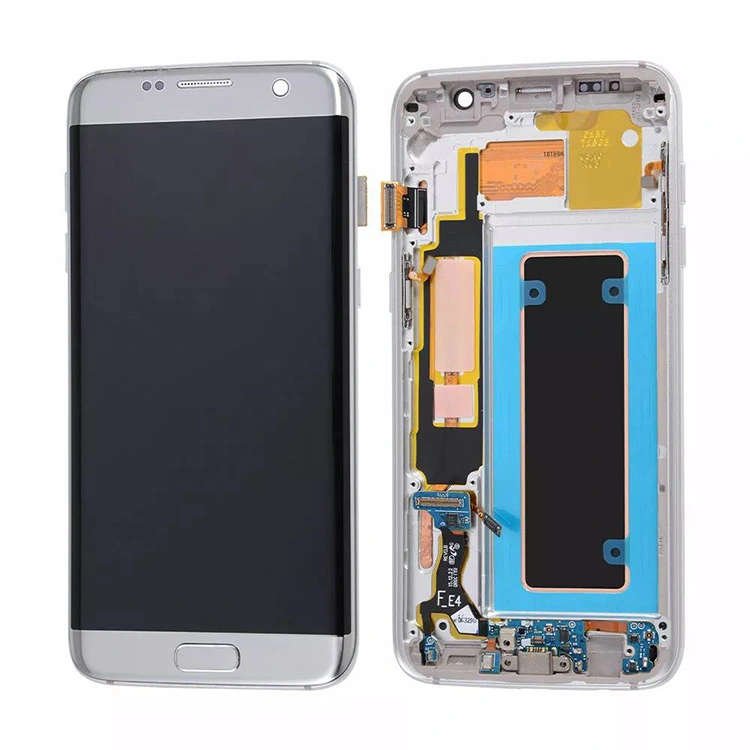
In contrast, leading aftermarket manufacturers (using Samsung-compatible ICs) have moved to Active Capacitive Stylus compatibility and Retina-level color calibration. In blind tests conducted by German repair consortium Reboard e.V., top-tier aftermarket LCDs for the Samsung A-series showed a 98% color gamut match to the original, with a lower failure rate for "touch freeze" than the original batches from 2023.
Key takeaway: New manufacturing processes for "LCD Screens for Samsung" have surpassed the quality control of the original parts Samsung made two years ago.The Technical Deep Dive: Why "Compatible" is not "Fake"When we talk about LCD screens for Samsung, we must discuss the MIPI (Mobile Industry Processor Interface) protocol. Samsung's proprietary DDI (Display Driver IC) has historically been a locked ecosystem.
In 2026, Chinese and Taiwanese IC fabs have successfully reverse-engineered and licensed generic versions of these drivers. The result?No more "Ghost Touch": Modern aftermarket LCDs replicate the touch sampling rate (120Hz-240Hz) without the lag that plagued 2024-era copies.True Tone simulation: Advanced light sensors on the replacement LCDs now communicate correctly with Samsung's One UI 7.0/8.0 without triggering the "unknown part" notification (or bypassing it via firmware patches).For the professional repair shop, this means you are no longer selling a "cheap fix." You are selling a functional alternative that offers the same visual fidelity at 40% of the cost of scavenged OEM parts.The Supply Chain Strategy: Stockpiling "Samsung Fit" Over "Samsung Made"If you are a B2B buyer looking at Google Ads or merchant listings, your search strategy needs to change.
Searching for "Samsung LCD OEM" in 2026 leads to dead links and inflated prices from hoarders. Searching for "Premium LCD for Samsung [Model]" leads to the new reality: Laminated LCD assemblies.
The industry has shifted from buying just the LCD glass to buying fully laminated assemblies with mid-frames. Why? Because Samsung's move to edge-to-edge displays made the old "glass-only" repair method obsolete.
The Metric to Watch: Adhesion tolerance. The best 2026 aftermarket Samsung LCDs now come with pre-installed heat-dissipating graphite sheets that actually perform better than the OEM spec, reducing thermal throttling on Exynos chipsets.The VerdictSamsung's exit from the LCD race has created a vacuum. Nature, and the free market, abhors a vacuum.
The "Golden Age" of Samsung OEM LCDs is over. But the "Age of Optimization" has just begun. As long as the screen replicates the 100% DCI-P3 color space, passes the Samsung built-in diagnostic code (#0#), and offers a 12-month warranty against dead pixels, the market no longer cares who made the glass. They care about who calibrated the driver.
Bottom Line: For your Google Shopping feed or repair service landing page, stop framing aftermarket Samsung LCDs as "replacement parts." Frame them as "Gen 2 Upgrades." Because in 2026, the third-party manufacturer is often more invested in the LCD's longevity than Samsung is.